#ai-employees#operations#founders
How to run a company with AI employeesA practical operating model for giving AI employees real jobs, context, tools, recurring work, and review without losing human control.
Yodu team
Yodu team
Updated · 5 min read
The wrong way to measure an AI employee is message count, token count, or how many tasks it says it completed.
The right question is: did the company receive useful, accepted work at a better cost or speed than before?
That sounds obvious, but it changes how you set up the role.
Measure AI employee ROI with accepted outputs, major rework, cycle time, human hands-on time, blocked time, and total cost per accepted result. Establish the old workflow first, keep risk metrics beside productivity metrics, and compare one role and task type at a time. Messages and generated tokens are activity, not business value.
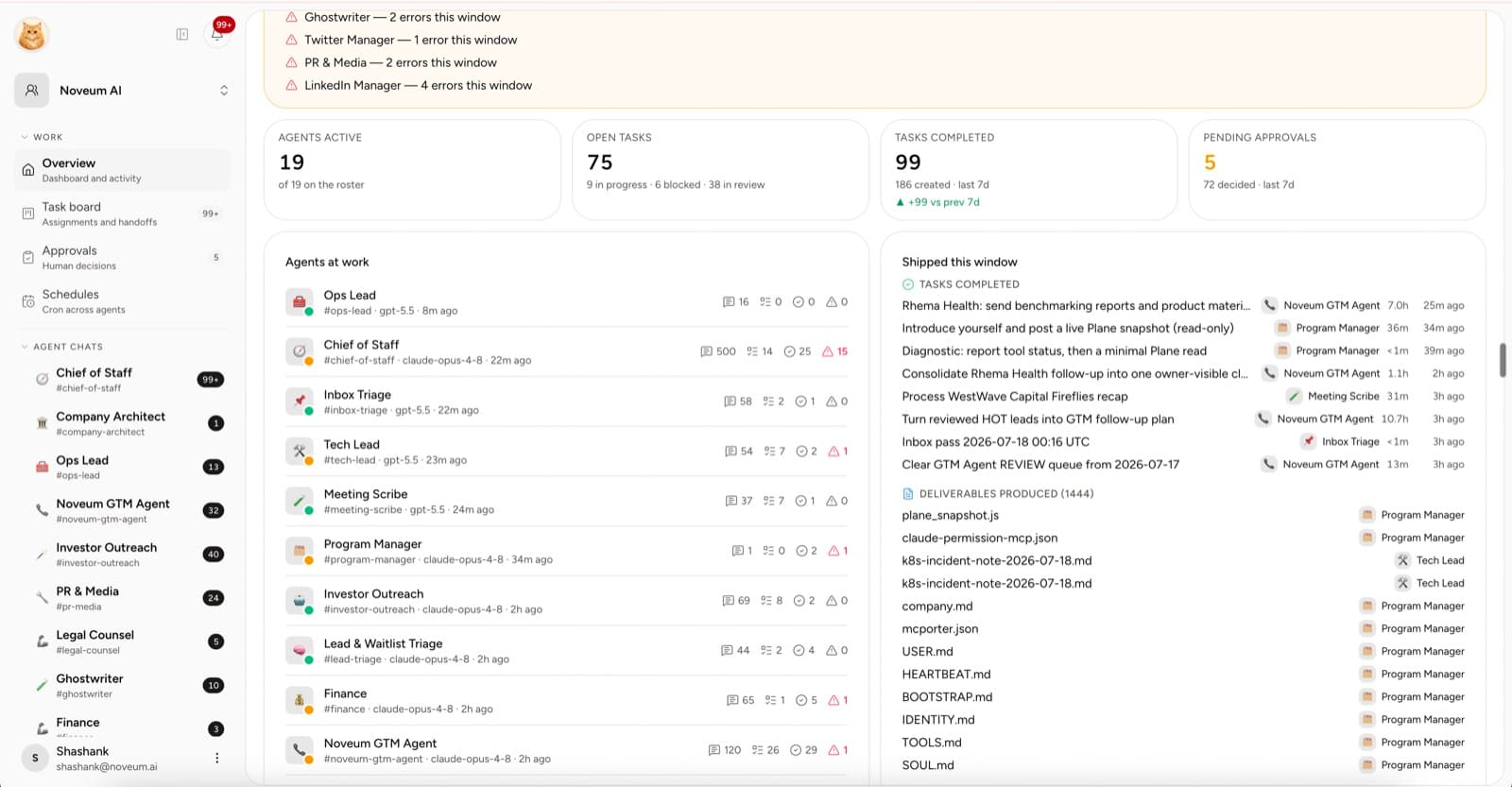
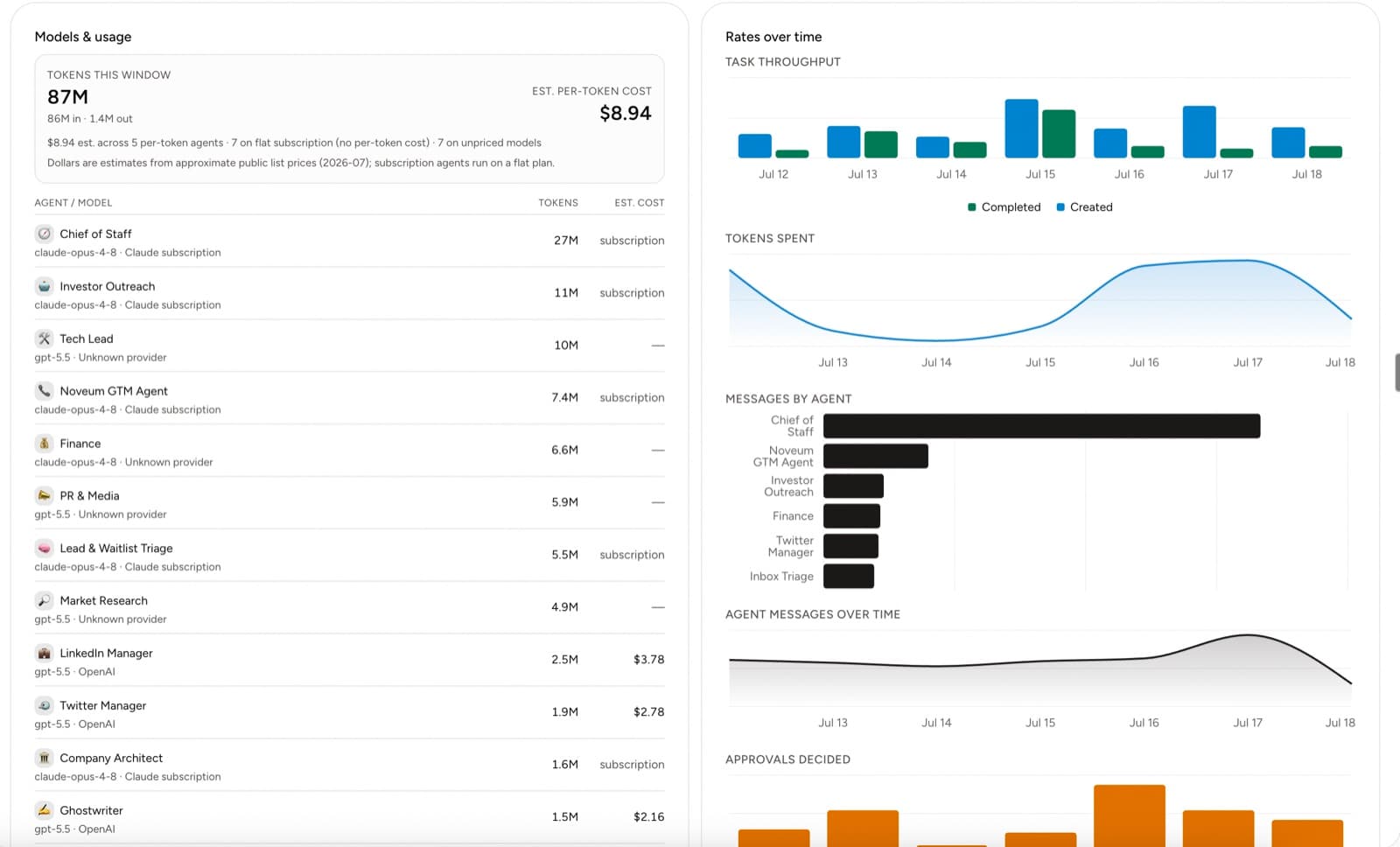
The workspace usage view is where these numbers come from. Every employee reports tokens, estimated cost, and throughput in one place:
McKinsey's 2025 State of AI survey found that nearly two-thirds of organizations had not begun scaling AI across the enterprise, and only 39% reported EBIT impact. High performers were much more likely to redesign workflows rather than add AI to the old process.
If the workflow does not change, the metric usually becomes “how much AI did we use?” That is adoption, not value.
Controlled studies show why local measurement matters. An NBER field study reported a 13.8% increase in issues resolved per hour for support agents using AI assistance, while GitHub reported a 55% faster completion time for one defined coding experiment. Those are different jobs, tools, and outcome measures. Neither is a universal ROI forecast.
Choose one job and record the current process for two weeks.
Measure:
Example:
| Baseline item | Value | | ------------------------------- | ---------------------------- | | Weekly account briefs | 8 | | Founder hands-on time | 4.5 hours | | Average lead time | 2.2 days | | Briefs needing major correction | 2 | | Cost | Founder time plus data tools |
Without the baseline, a faster-looking dashboard can hide more human review.
Write the acceptance criteria before assigning the work.
For a research brief:
For a sales follow-up:
The task should make the criteria visible.
accepted outputs / reviewed outputs
This is the clearest signal that the role, context, and output format are working.
outputs requiring substantial revision / reviewed outputs
Track major rework separately from copy edits. A 90% acceptance rate is meaningless if every “accepted” output needs an hour of rewriting.
Measure assignment to accepted output, not assignment to first response.
Count briefing, answering questions, review, correction, and moving the output. This is the coordination cost.
Track time waiting for missing context, access, or a human decision. A high number often means the process is under-specified, not that the model is weak.
model cost + paid tool cost + allocated platform cost / accepted outputs
Include retries and discarded work.
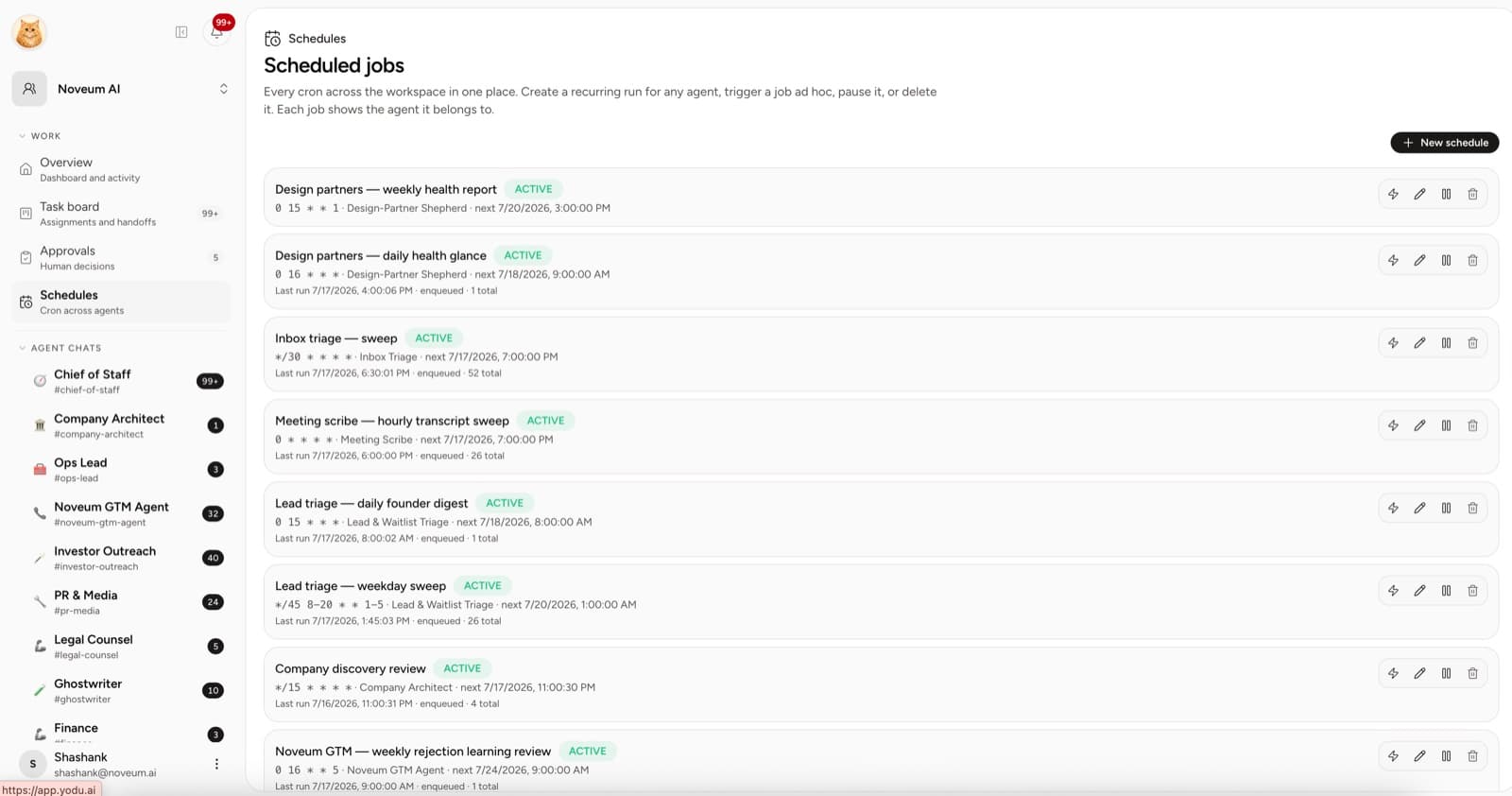
scheduled outputs used / scheduled outputs created
Recurring work that nobody reads is automated waste.
For external or sensitive workflows, track:
One serious incident can erase a month of time savings. ROI must include downside.
A simple monthly model:
Value of accepted work
- model and tool spend
- platform spend
- human review cost
- expected incident cost
= net monthly value
Use a realistic hourly cost for human time. Do not value every AI output as if a senior specialist would have produced it. Value the accepted result against the actual alternative: founder time, contractor spend, delayed work, or work that would not have happened.
| Metric | Baseline | Month 1 | Target | | ----------------------- | -------: | ------: | ----------: | | Accepted briefs | 6 | 18 | 20 | | Major rework rate | 25% | 17% | <10% | | Median cycle time | 2.2 days | 6 hours | <4 hours | | Human time per brief | 34 min | 12 min | <10 min | | Cost per accepted brief | $42 | $9 | <$10 | | Evidence coverage | 70% | 94% | >95% |
These numbers are an example template, not Yodu customer results.
One strong research employee can hide a weak content employee in an aggregate number. Track the scorecard by role and workflow.
Retire a role when it produces more coordination than accepted work. Change the skill when the same correction repeats. Change the model when quality or cost remains poor after the job and context are sound.
An AI employee is earning its place when:
Everything else is activity.
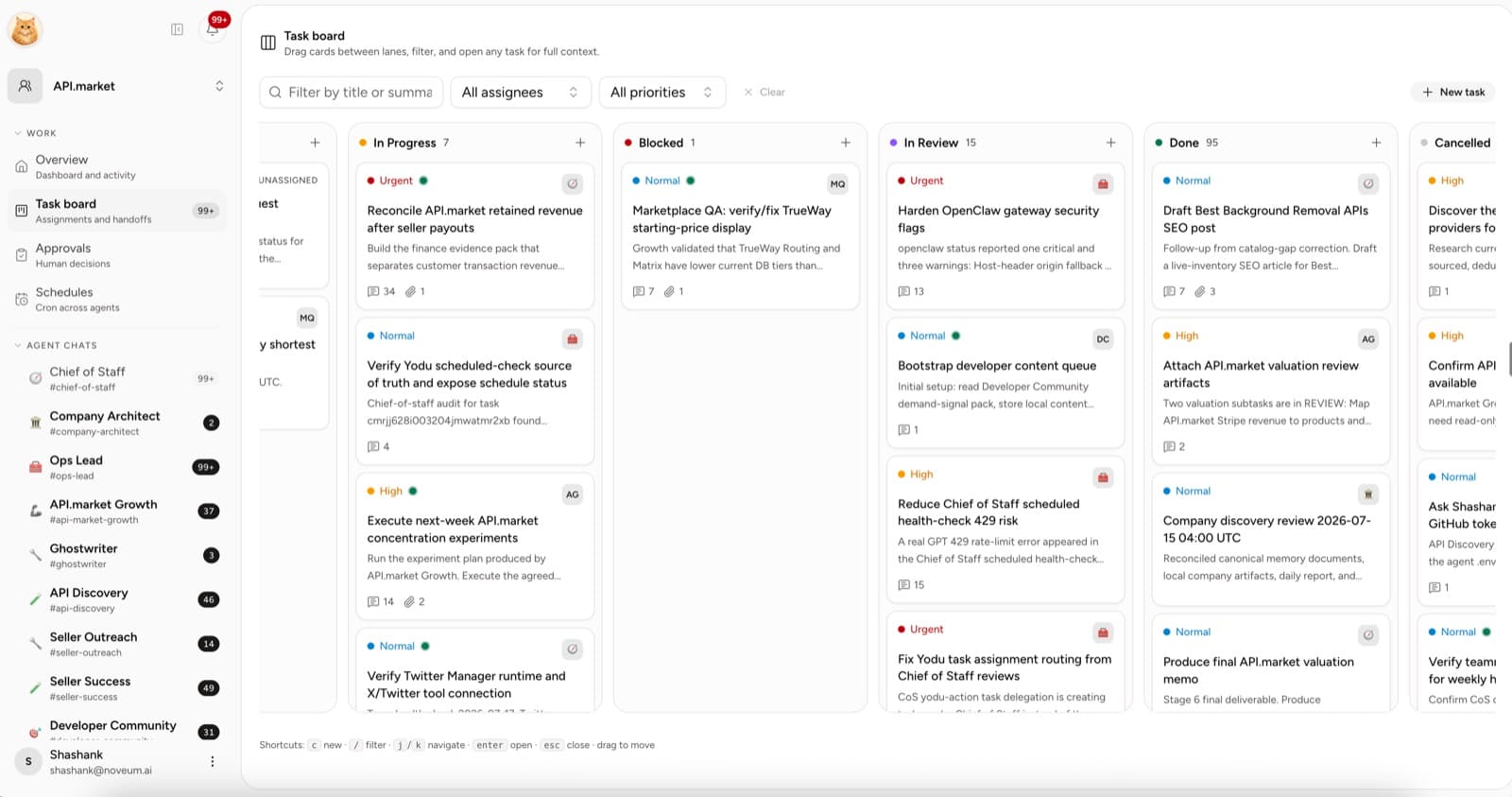
Use the task board and approvals guide to collect outcome evidence, compare the broader model for running a company with AI employees, then apply the weekly process for auditing AI employee work.
Practical guides related to this workflow.
A practical operating model for giving AI employees real jobs, context, tools, recurring work, and review without losing human control.
Yodu team
A seven-day plan for setting up company context, hiring the first AI employee, connecting one tool, and completing a measurable work loop.
Yodu team
A practical comparison of chat assistants, workflow automation, and AI employees with roles, context, tools, tasks, files, schedules, and approval rules.
Yodu team