#ai-employees#operations#founders
How to run a company with AI employeesA practical operating model for giving AI employees real jobs, context, tools, recurring work, and review without losing human control.
Yodu team
Yodu team
Updated · 4 min read
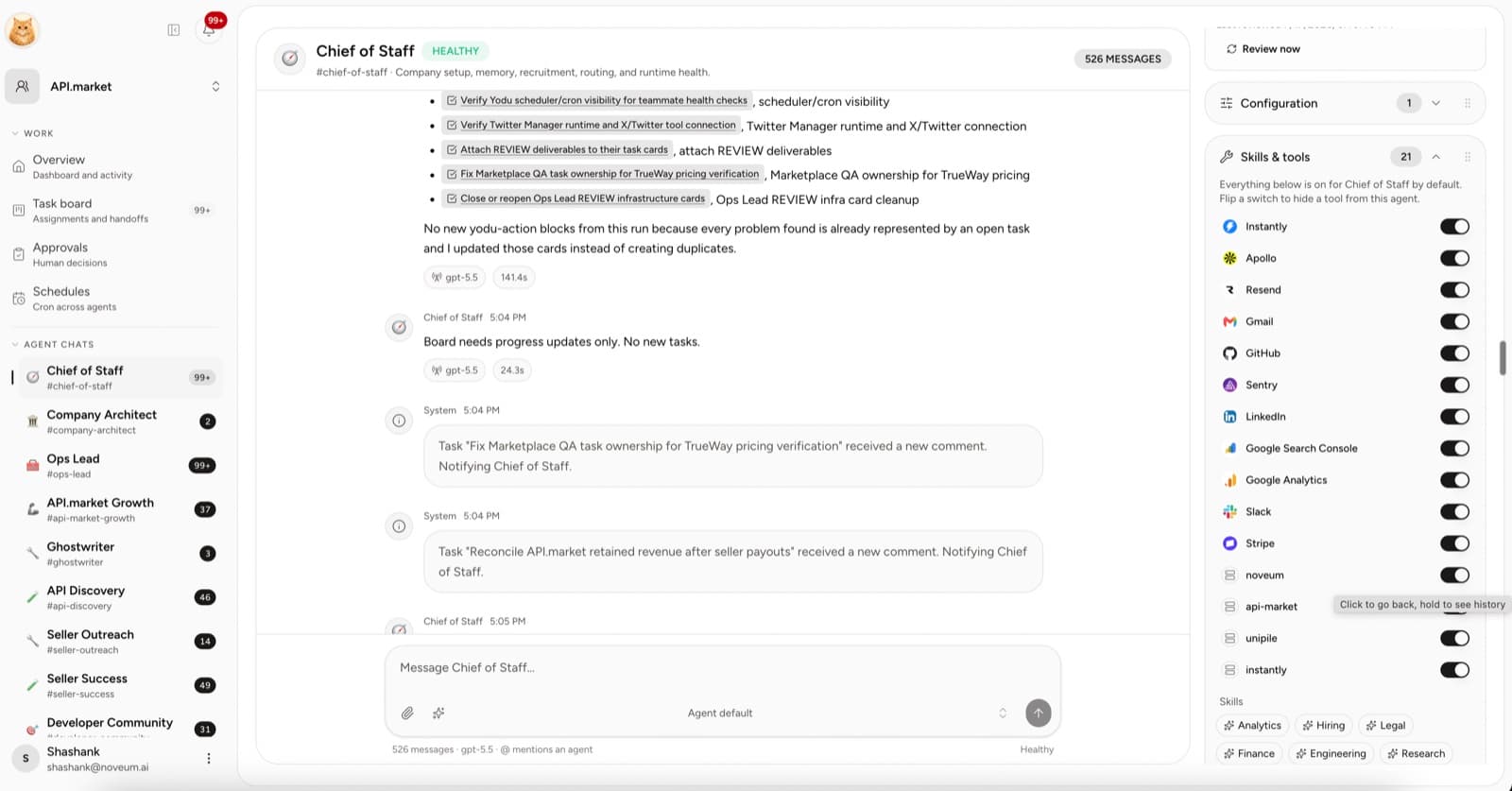
A chatbot waits for a prompt. An AI employee has a job.
That sounds like marketing until you make the distinction operational.
The difference is not whether the model can write. It is whether the system knows who owns the work, what context applies, which tools are allowed, where the output belongs, and when a human must decide.
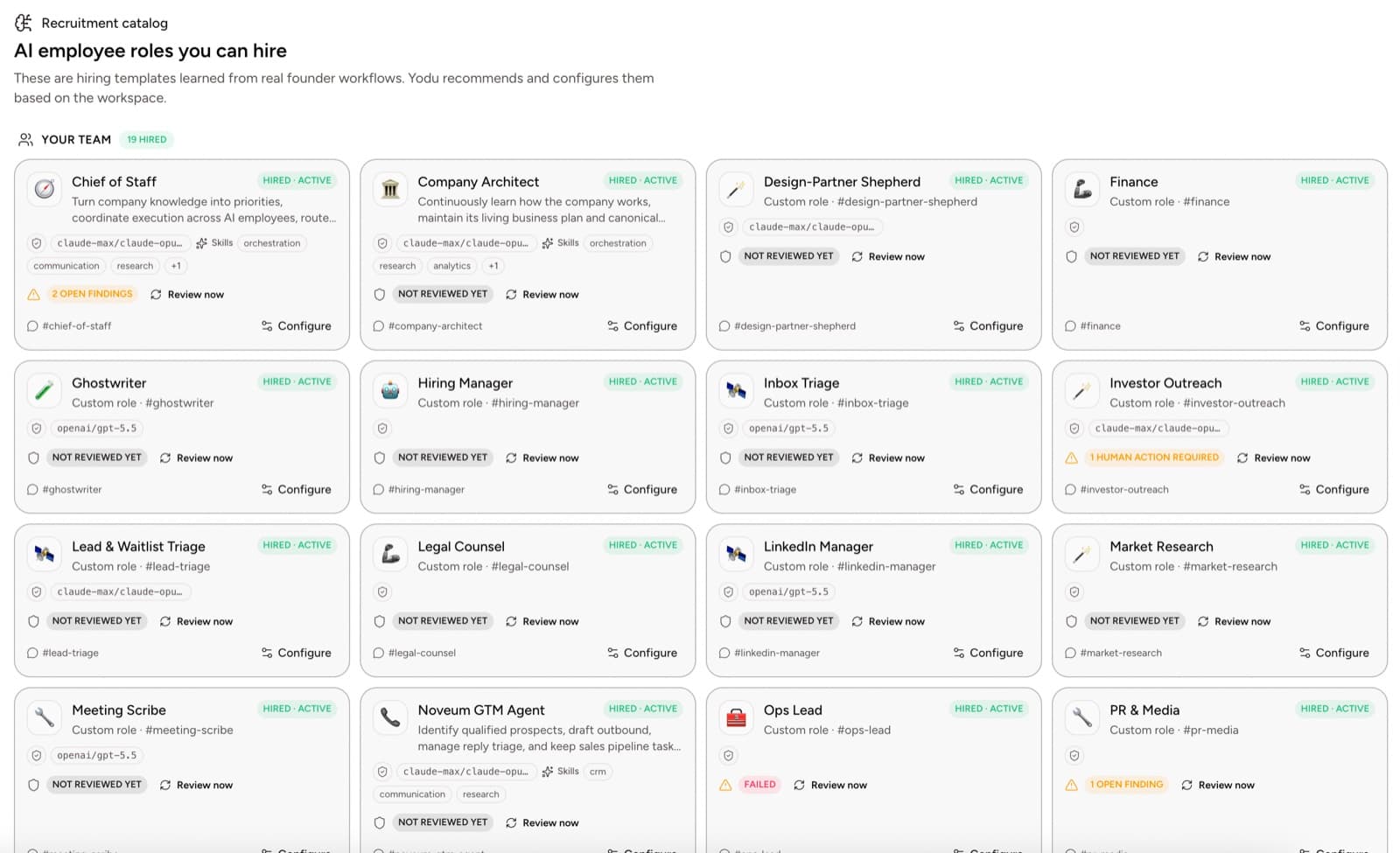
A chatbot handles a conversation. Workflow automation repeats deterministic steps. An AI employee owns a defined job across context, tasks, tools, files, schedules, and review. Use chat for one-off thinking, automation for predictable rules, and an AI employee when the work needs continuity, judgment, and accountable handoffs.
| Product | Best at | What the human still owns | | ------------------- | --------------------------------------------------------------- | ------------------------------------------------------------- | | Chat assistant | One-off thinking, drafting, and questions | Repeating context, saving output, follow-up, and coordination | | Workflow automation | Predictable steps with stable inputs | Designing exceptions and handling judgment-heavy cases | | AI employee | A recurring job with context, tools, task ownership, and review | Direction, standards, access, and consequential decisions |
All three are useful. Problems begin when a company expects one to behave like another.
Chat works beautifully for an individual session. It becomes fragile when a team needs continuity.
The user has to remember:
Microsoft's 2025 Work Trend Index reported that employees were interrupted 275 times per day by meetings, email, or chat. Adding more disconnected chat threads is not an operating model.
An AI employee needs seven things around the model.
The system defines the job, success criteria, boundaries, and escalation path.
The employee can use the company profile, shared knowledge, role guidance, and task files instead of rebuilding context from every prompt.
Meaningful asks become tasks with an owner and status.
The company connects accounts once and grants them to the employees who need them.
Anything external or irreversible, such as sending, publishing, spending, or deleting, pauses for a human decision: allow once, allow for the session, or deny.
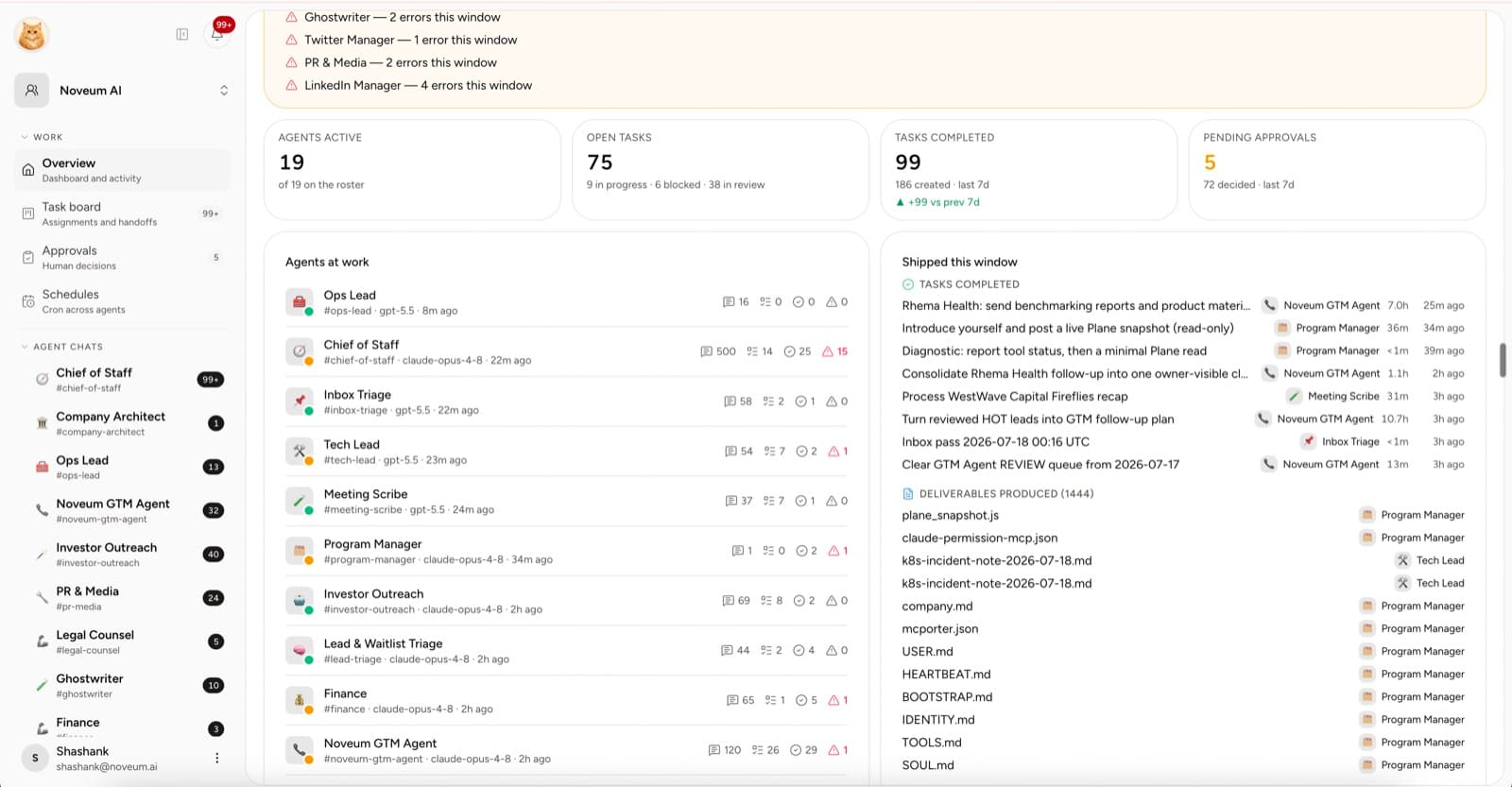
The output stays attached to the work instead of vanishing into a transcript.
Recurring jobs have an owner, cadence, last run, and next run.
Use a chatbot when:
Do not create an employee for every conversation.
Use a conventional workflow when the process is deterministic:
An AI employee becomes useful when the work requires judgment, source reading, drafting, exceptions, or a human review loop.
Take one recurring task and run it both ways for two weeks.
For the chatbot version, record:
For the employee version, record:
The employee approach wins only if the full handoff becomes easier, not merely because the first draft appears faster.
Microsoft's 2026 research describes the opportunity as more human agency when AI takes on execution. That requires the human to remain responsible for direction and outcomes.
Yodu is designed around that division of labor. Humans decide what matters and what risk is acceptable. AI employees take ownership of the execution that fits a clear job. The workspace keeps both sides legible.
Tour the Yodu command center, then use the practical guide to run a company with AI employees without turning chat history into the operating system.
Practical guides related to this workflow.
A practical operating model for giving AI employees real jobs, context, tools, recurring work, and review without losing human control.
Yodu team
A seven-day plan for setting up company context, hiring the first AI employee, connecting one tool, and completing a measurable work loop.
Yodu team
A visual tour of the workspace where founders talk to AI employees, manage tasks, inspect files, configure access, and review recurring work.
Yodu team